
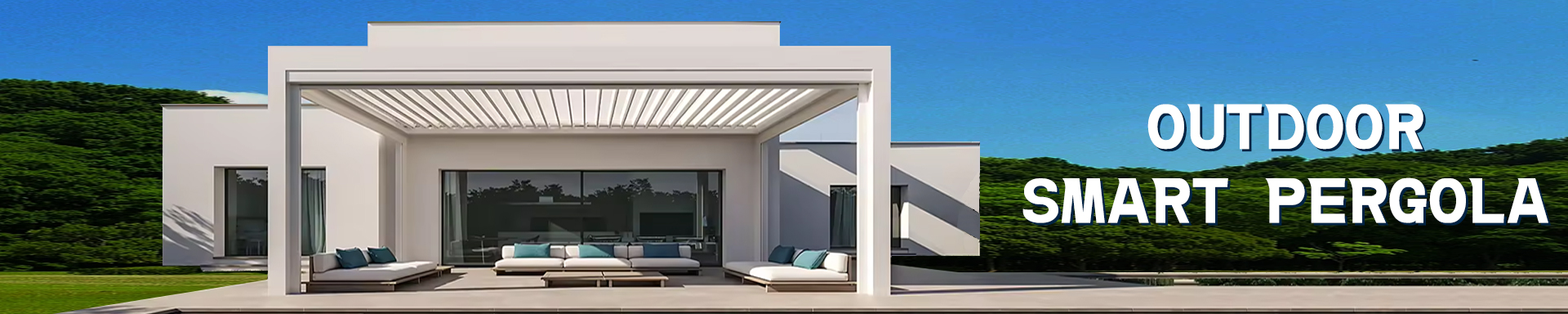
Aluminum pergola houses offer unmatched durability and weather resistance, making them ideal for areas with heavy rain, wind, or intense sunlight. Their lightweight aluminum frames simplify installation while allowing for creative roof options, including fixed, louvered, or retractable designs. With minimal maintenance requirements, homeowners spend less time on upkeep and more time enjoying their outdoor areas, making these pergolas a practical long-term investment.
1. Key Advantages of Aluminum Pergola Houses
1.1 Durability and Resistance to Weather
One of the most significant advantages of an Aluminum pergola house is its exceptional durability. Aluminum resists rust, corrosion, and warping, making it ideal for all climates, from humid coastal areas to harsh winters inland. Unlike wood, it won’t rot or require chemical treatments, and unlike steel, it doesn’t rust over time. Homeowners have reported that well-coated aluminum structures maintain their integrity for 20+ years with minimal wear. In practical terms, this means fewer replacements and long-term peace of mind for outdoor living spaces.1.2 Lightweight Structure and Easy Installation
Aluminum’s lightweight nature makes installation faster and easier compared to heavier materials. A standard 12x12 ft aluminum pergola can be installed by a team of 2–3 people in under a day when using pre-engineered kits. Steps typically include:-
Leveling and securing the foundation.
-
Assembling posts and beams according to the kit layout.
-
Attaching roof panels or louvers.
-
Checking for alignment and structural stability.
This simplicity not only reduces labor costs but also allows for easier relocation if desired. For larger setups or automated systems, such as a Aluminum motorized pergola, professional assistance is recommended to handle wiring and moving parts.
1.3 Low Maintenance Requirements
Once installed, aluminum pergolas require minimal upkeep. Unlike wood, they don’t need annual staining or sealing. Basic care includes washing with mild soap and water twice a year and inspecting screws or joints for tightness. In areas prone to salt air or pollution, occasional rinsing ensures the surface remains clean and protective coatings intact. This low-maintenance aspect makes aluminum pergolas particularly appealing for busy homeowners who want a long-lasting outdoor structure without ongoing hassle.1.4 Versatility in Design and Customization
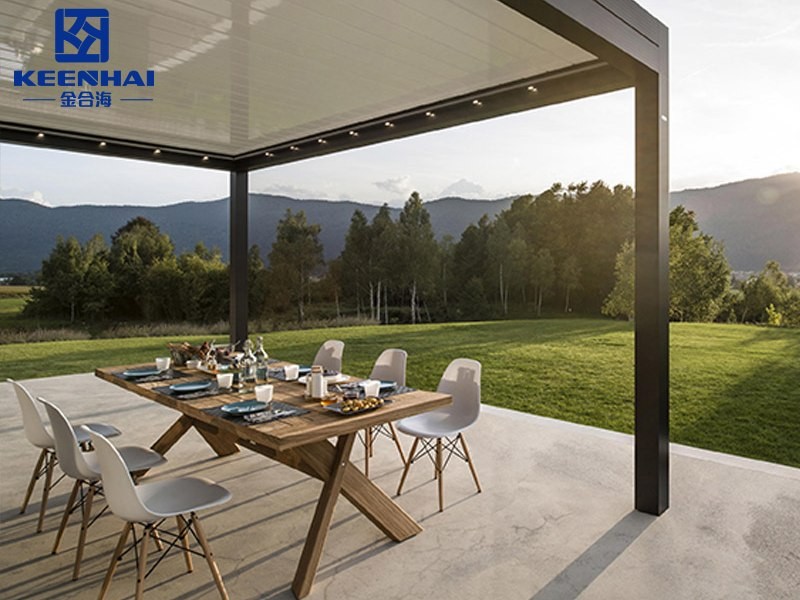
Aluminum pergolas excel in design flexibility. They can be painted in virtually any color, powder-coated for durability, or combined with retractable roofs, adjustable louvers, and integrated lighting. A homeowner can choose a sleek, modern look or a more traditional gazebo style. Some popular options include:-
Aluminum Modern Gazebo for contemporary patios.
-
Louvered roof systems from our product range to adjust sunlight and ventilation.
This adaptability means aluminum pergolas can fit small residential backyards, large entertainment areas, or even commercial outdoor lounges, providing both style and functionality without compromising structural integrity.
2. Potential Drawbacks of Aluminum Pergola Houses
2.1 Higher Initial Cost Compared to Wood or Vinyl
One of the main drawbacks of an aluminum pergola is its higher upfront cost. While wood or vinyl structures might start as low as $800–$1,500 for a medium-sized pergola, an aluminum counterpart typically ranges from $2,000 to $8,000 depending on size, design, and finish. This premium comes from the durability, corrosion resistance, and long-term low maintenance that aluminum provides.| Material | Typical Cost (12x12 ft pergola) | Lifespan | Maintenance |
|---|---|---|---|
| Wood | $800–$2,000 | 10–15 yrs | Annual staining/sealing |
| Vinyl | $1,200–$3,000 | 15–20 yrs | Occasional cleaning |
| Aluminum | $2,000–$8,000 | 20+ yrs | Minimal, periodic washing |
Despite the higher initial investment, many homeowners view it as a long-term value because it reduces replacement and maintenance expenses over decades.
2.2 Limited Natural Insulation
Aluminum conducts heat and cold more readily than wood, which can make pergolas feel hotter in direct sun and cooler in colder weather. For example, during summer afternoons, an aluminum pergola without a louvered or retractable roof can be 10–15°F warmer underneath than shaded wooden structures, affecting comfort. Homeowners often mitigate this by:-
Installing adjustable louvers or retractable canopies.
-
Using shade sails or curtains to block direct sunlight.
-
Adding overhead fans or misting systems in hot climates.
These adjustments help aluminum pergolas remain comfortable, though they add to overall project cost.
2.3 Risk of Scratches or Dents
Although aluminum resists rust, it can still dent or scratch if impacted by heavy objects or severe weather. Small dents from hail or falling branches are common in regions with frequent storms. Preventive steps include:-
Positioning the pergola away from trees or construction zones.
-
Choosing powder-coated or anodized finishes to protect the surface.
-
Inspecting the structure periodically for minor damage and addressing it promptly.
For those considering automated or motorized systems, like Aluminum automated pergolas, careful handling is even more crucial because scratches on moving parts can affect operation.
3. Cost Considerations
3.1 Material and Fabrication Costs
Material choice significantly affects the total cost of an aluminum pergola house. Standard powder-coated aluminum frames generally cost $25–$45 per square foot, while premium anodized finishes or custom shapes can reach $60–$75 per square foot. Fabrication expenses include cutting, welding, and pre-assembling the pieces, which vary depending on complexity and size. For instance, a 12x12 ft aluminum pergola with a simple flat roof may require $2,000–$3,500 in materials, whereas a custom louvered roof design could increase material costs to $5,000–$7,000. These figures illustrate why upfront planning is critical before ordering.3.2 Installation Expenses
Installation costs depend on whether you hire professionals or opt for DIY. Professional installation typically includes:-
Site preparation and leveling.
-
Foundation anchoring with concrete or brackets.
-
Assembling posts, beams, and roof components.
-
Inspecting and adjusting for alignment and safety.
Labor for a standard 12x12 ft structure averages $800–$1,500, while larger or motorized versions, such as Aluminum motorized pergolas, can push installation costs above $3,000 due to wiring and mechanical components. DIY assembly reduces expenses but requires careful adherence to instructions and safety precautions.
3.3 Optional Add-Ons Impacting Price
Optional features significantly affect the overall budget. Common add-ons include:-
Retractable roofs or adjustable louvers, which can add $1,200–$3,500.
-
Integrated lighting and electrical outlets, ranging from $300–$1,000.
-
Built-in benches, storage, or custom furniture, adding $500–$2,000 depending on materials and design.
Selecting add-ons should balance functionality and cost-effectiveness. For example, a retractable louvered roof from our louvered pergola product range allows adjustable shade and ventilation, increasing comfort but also impacting the total project budget.
4. Maintenance and Longevity
4.1 Cleaning and Surface Care
Keeping an aluminum pergola house looking new requires regular cleaning. Dust, pollen, and environmental pollutants can accumulate on the surface, dulling the finish over time. Homeowners should:-
Rinse the pergola with a hose weekly during pollen season or in dusty areas.
-
Use a soft cloth or sponge with mild soap for stubborn dirt once a month.
-
Avoid abrasive brushes or harsh chemicals that could scratch the powder coating.
For motorized or automated systems, like Aluminum motorized pergolas, cleaning should focus on tracks and moving parts to ensure smooth operation. Proper care can extend the structure's aesthetic appeal by 10–15 years beyond average expectations.
4.2 Preventing Corrosion and Oxidation
Although aluminum is naturally resistant to rust, oxidation can occur over time, especially in coastal or high-humidity areas. To prevent this:-
Apply a protective clear coat annually on exposed edges or welds.
-
Inspect joints and screws for signs of corrosion, tightening or replacing them as needed.
-
Use covers or canopies during heavy rain or snow to reduce prolonged water exposure.
These steps help maintain structural integrity, ensuring the pergola continues to perform well without compromising its durability or finish.
4.3 Regular Checks and Minor Repairs
Routine inspections are crucial for longevity. Homeowners should:-
Examine posts, beams, and fasteners every 6 months for signs of wear or loosening.
-
Address minor scratches promptly with touch-up paint or anodized coatings.
-
Lubricate hinges, joints, and moving parts on adjustable or louvered roofs to prevent friction damage.
By proactively maintaining an aluminum pergola, whether standard or louvered pergola, homeowners can easily avoid costly repairs and keep the structure functional and visually appealing for decades.
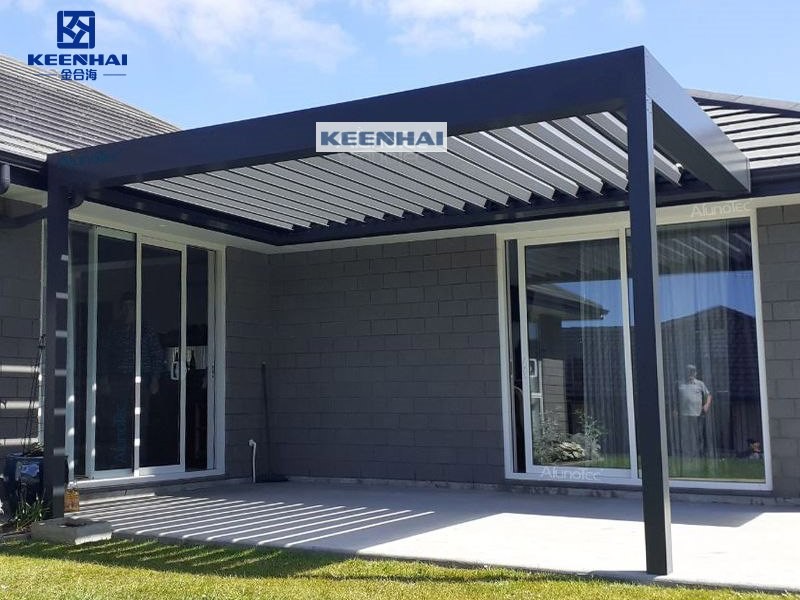
5. Design Flexibility and Compatibility
5.1 Integration with Outdoor Spaces
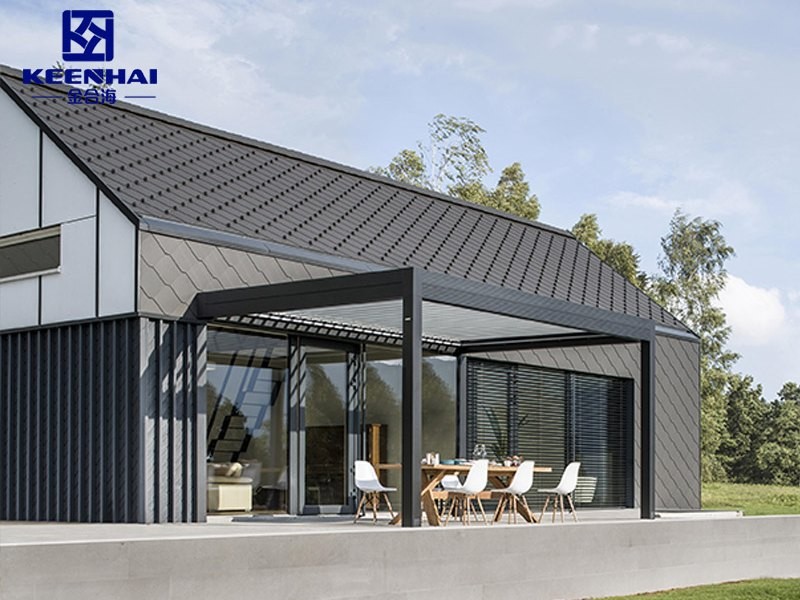
An aluminum pergola house easily blends with various outdoor settings, from patios to gardens and poolside areas. Its sleek, lightweight structure allows designers to integrate it seamlessly without overwhelming existing landscapes. Homeowners can:
-
Align pergola posts with existing deck edges or walkways for a cohesive look.
-
Use planters, climbing vines, or outdoor rugs to soften hard edges and enhance aesthetics.
-
Position the pergola near seating or dining areas to create functional zones.
When designed thoughtfully, an aluminum pergola can increase usable outdoor space while complementing the home’s style. For example, pairing with a Aluminum Modern Gazebo in a backyard can provide both shade and visual appeal without heavy construction.
5.2 Roof Options: Fixed, Louvered, or Retractable
One of the biggest advantages of aluminum pergolas is roof versatility. Homeowners can choose:-
Fixed roofs, providing permanent shade and shelter at a lower cost.
-
Louvered roofs, allowing adjustable sunlight and ventilation for comfort in different seasons.
-
Retractable roofs, offering maximum flexibility to enjoy sun or shade on demand.
These options affect both cost and functionality. For instance, louvered roofs allow airflow control but typically add $1,500–$3,500 to the base price. Retractable systems may require additional mechanical installation, yet they significantly enhance usability and comfort.
5.3 Combining with Furniture or Built-in Features
Customizing an aluminum pergola house with furniture or built-in features increases convenience and style. Options include:-
Built-in benches or storage compartments to maximize outdoor space efficiency.
-
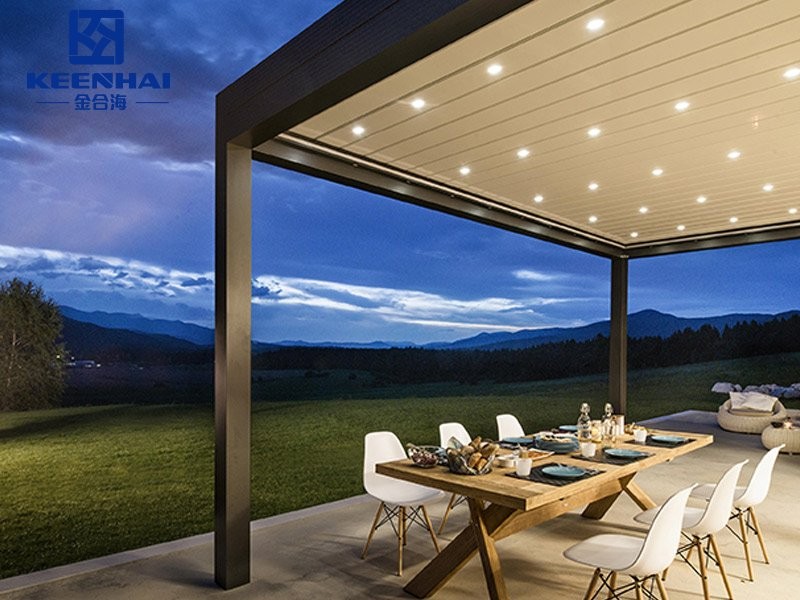
Mounting outdoor lighting, fans, or heaters to create a multi-functional area.
-
Arranging modular furniture sets to fit the pergola’s dimensions perfectly.
Integrating these elements should prioritize both aesthetics and practicality, allowing the pergola to function as an extension of the home’s living space. Homeowners often enhance flexibility further by combining aluminum pergolas with motorized or automated systems, ensuring comfort and usability year-round.